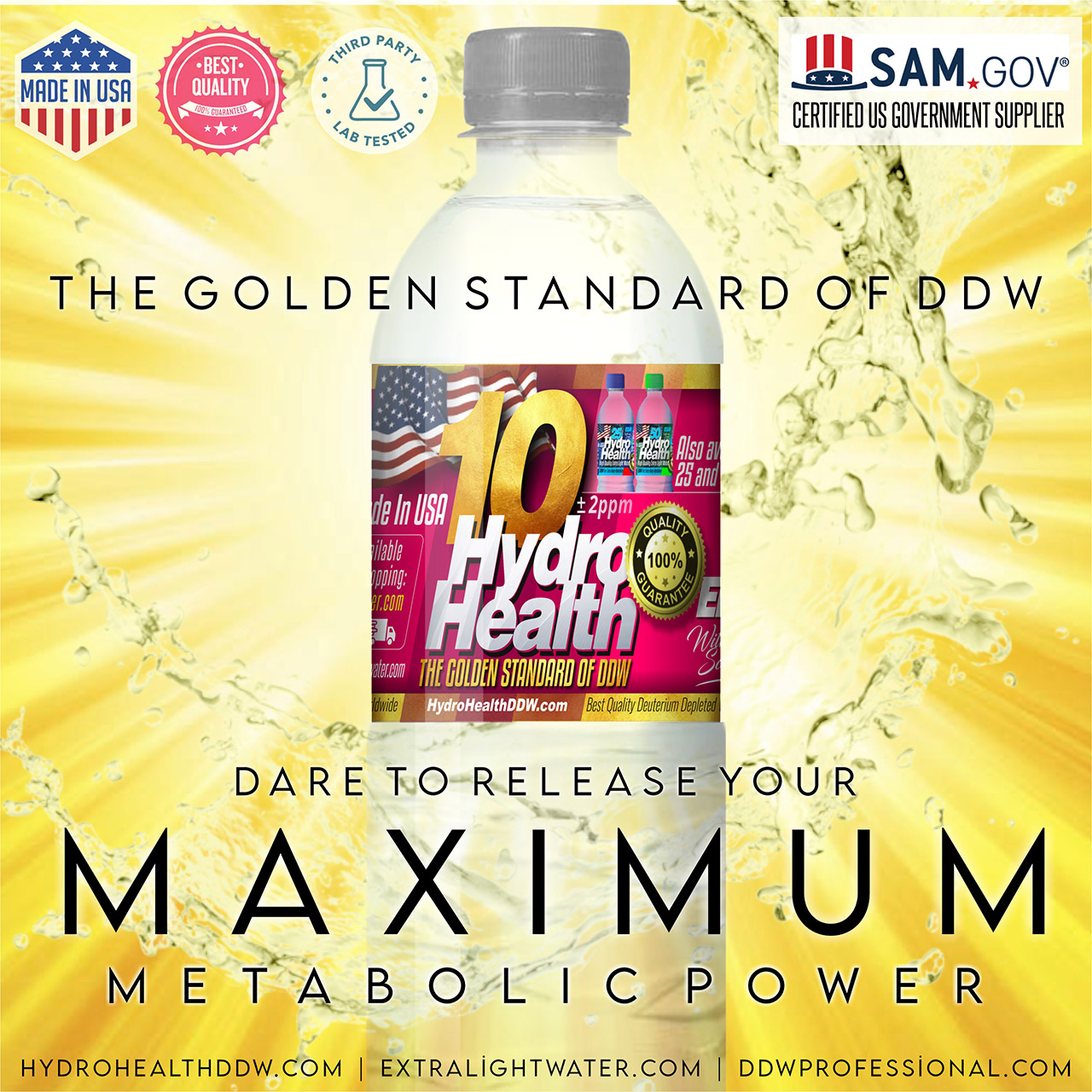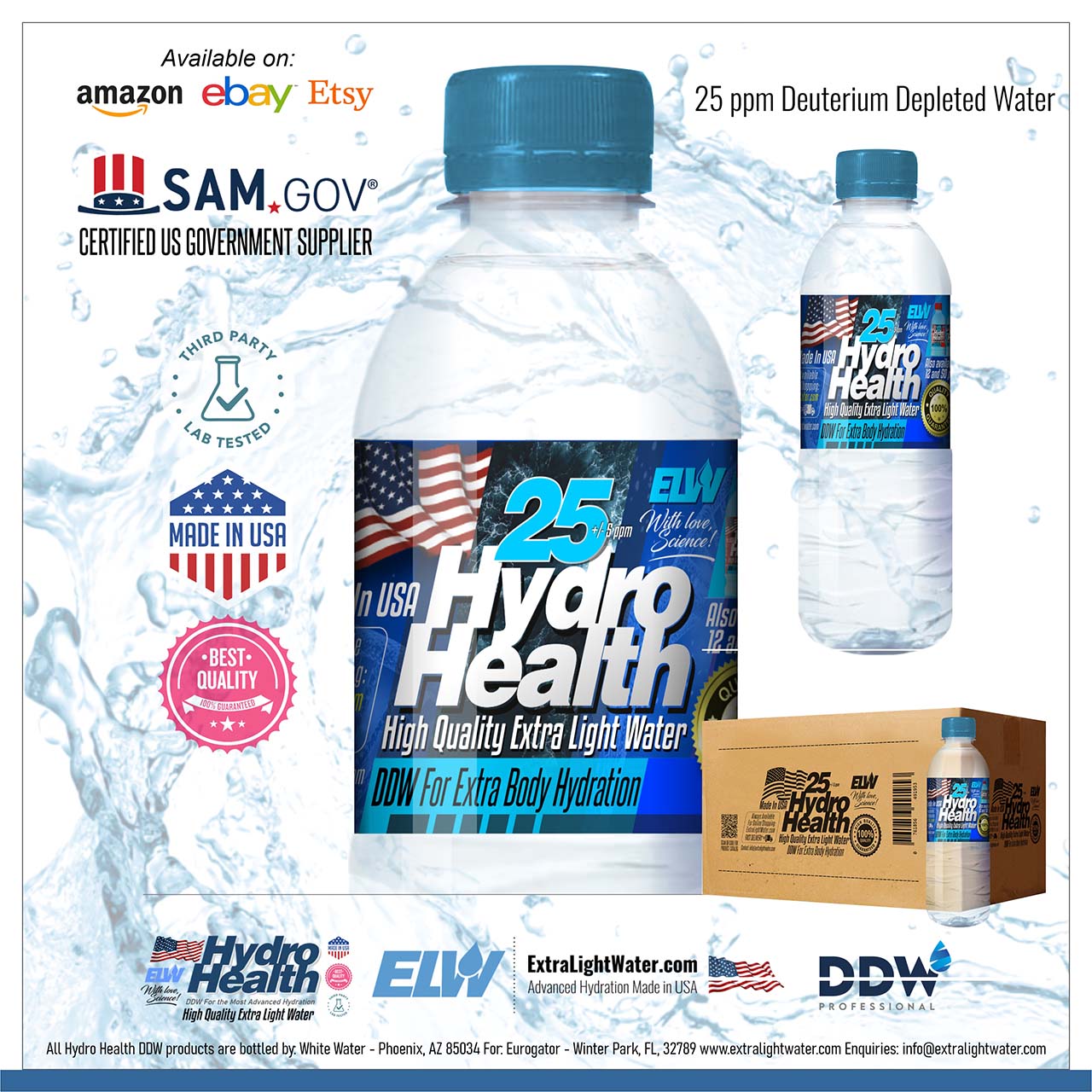


Deuterium-depleted water (DDW) is revolutionizing wellness, and HydroHealthDDW offers premium options at 10, 25, and 50 ppm (parts per million) deuterium levels. This purer water enhances cellular function, making it a smart addition to your routine.
At first, DDW might seem costly, but a monthly supply—roughly $50-100—pales beside daily coffee or gym fees, delivering benefits like boosted energy, improved metabolism, and reduced oxidative stress. Compared to the long-term expense of health issues it may prevent, it’s a worthwhile investment.
The science backs this up. Deuterium, a heavy hydrogen isotope in regular water (around 150 ppm), hampers mitochondrial efficiency, leading to fatigue, inflammation, and hormonal imbalances. HydroHealthDDW counters this: 10 ppm maximizes benefits, 25 ppm balances cost and effect, and 50 ppm eases newcomers in.
Research from 2023-2025, including Journal of Endocrinology, shows lower deuterium enhances mitochondrial function, boosting steroid hormone synthesis for better stress resilience, vitality, and reproductive health. Users note sharper focus, sustained energy, and quicker recovery—results that build over months.
To optimize, establish a routine.
Start with 50 ppm if new, progressing to lower levels. Target 1.5-2 liters daily. Morning: Drink 500 ml on an empty stomach to kickstart metabolism. Midday: Sip with meals for digestion. Evening: 500 ml before bed for overnight repair. Use an app to track—consistency matters, with effects emerging after 4-6 weeks. Mix with tea or coffee if preferred, but avoid heating to preserve quality.
Compare DDW to low-deuterium foods for insight. Spinach (~120 ppm), salmon (~100 ppm), or almonds (~130 ppm) naturally lower intake, but inconsistently—salads cut deuterium by 10-20%, while HydroHealthDDW reduces it by up to 93% (from 150 ppm tap water to 10 ppm). Pairing DDW with a Mediterranean diet amplifies mitochondrial health, potentially slowing aging and balancing hormones.