

Feeling overwhelmed by health challenges? DDW reduces deuterium to help mitochondria thrive, boosting immunity and slowing cancer growth. Backed by 20+ years of research, it’s a safe, daily switch for better outcomes—read on to decide if it’s right for you.
Deuterium-depleted water (DDW) is simply water with a significantly lower concentration of deuterium—a heavy isotope of hydrogen—than regular water. Normal tap water contains about 150 parts per million (ppm) deuterium, while high-quality DDW ranges from 10 to 50 ppm. This small change matters because deuterium can interfere with cellular energy production, especially in mitochondria, the tiny powerhouses inside every cell. Switching to DDW is easy—just replace your daily water intake. It’s tasteless, odorless, and fits any lifestyle. If you’re dealing with health worries, DDW’s science-backed benefits make it worth trying for a gentler path to wellness .
For over 20 years, research has shown DDW as a promising adjuvant in cancer therapy. It aids the immune system while inhibiting cancer growth. DDW acts as a metabolic agent that may slow tumor growth and modulate immune cell activity, including T-cell regulation. Over the past two decades, studies have demonstrated that DDW enhances immune responses by improving thymic lymphocyte function, facilitating T-cell maturation, and reducing inflammation and oxidative stress .
14 Less-known Aspects Of How Ddw Helps In Cancer And Metabolic Diseases
- Slows cancer cell cycle progression DDW increases G1-phase arrest. Cancer cells spend more time stuck. Less time to divide and grow.
- Reduces cancer stem cell viability Cancer stem cells lose self-renewal ability. DDW weakens their survival signals. Fewer cells capable of tumor regrowth.
- Lowers lactate production Disrupts the Warburg effect. Tumor cells produce less lactate. Less acidic environment for cancer spread.
- Increases apoptosis via mitochondrial membrane potential drop DDW destabilizes cancer cell mitochondria. Triggers programmed cell death. Tumors shrink naturally.
- Decreases VEGF expression Reduces angiogenesis signaling. Tumors get less blood supply. Growth is starved out.
- Improves chemotherapy penetration Lowers hypoxia in tumor core. Drugs reach deeper into tissue. Treatment becomes more effective.
- Restores mitochondrial complex I activity Improves NADH oxidation. Better electron transport chain function. Healthier energy production in immune cells.
- Lowers chronic low-grade inflammation Drops IL-6, TNF-α, CRP levels. Calms systemic inflammatory state. Less fuel for cancer progression.
- Increases NAD+/NADH ratio Activates sirtuins more efficiently. Enhances DNA repair and longevity pathways. Cells resist damage better.
- Mitigates insulin resistance Improves mitochondrial fatty-acid oxidation. Cells handle glucose more effectively. Better blood sugar control.
- Reduces advanced glycation end-products (AGEs) Less sugar-protein cross-linking. Lower tissue damage and inflammation. Slower aging and complication risk.
- Supports browning of white adipose tissue Increases energy-burning beige fat. Improves metabolic rate. Helps combat obesity.
- Decreases ectopic lipid accumulation Less fat buildup in liver and muscle. Better insulin signaling. Reduced metabolic disease progression.
- Improves β-cell mitochondrial function Better insulin secretion under stress. Helps preserve pancreatic function. Supports long-term diabetes control.
Mitochondria are the powerhouses of your cells, producing energy needed for everything from thinking to fighting disease. High deuterium in regular water disrupts this process, causing repetition in cell cycles and excess ROS—harmful molecules that fuel inflammation and cancer growth. DDW reduces deuterium levels, allowing mitochondria to produce clean, efficient energy. This boost means better cellular repair, stronger immune responses, and less favorable conditions for cancer growth. In cancer, DDW helps mitochondria in healthy cells recover while making tumor cells more vulnerable. For metabolic diseases, this mitochondrial tune-up improves insulin sensitivity and reduces oxidative damage. Essentially, helping mitochondria function better is a sure path to healing—it’s the foundation for energy, immunity, and recovery. Switching to DDW is like giving your cells premium fuel, making everyday health battles easier to win .
DDW’s low-deuterium magic extends far beyond cancer support. Here’s a list of other benefits, each linked to improved mitochondrial and metabolic function:
1. Enhanced energy and reduced fatigue.
2. Better insulin sensitivity for diabetes management.
3. Reduced inflammation for joint and chronic pain relief.
4. Improved hormone balance, easing mood swings and fatigue.
5. Sharper mental clarity and focus.
6. Faster recovery from exercise or illness.
7. Potential anti-aging effects at the cellular level.
8. Support for metabolic disorders like obesity.
9. Lower oxidative stress for overall wellness.
10. Aid in detoxification and liver health .
These perks make DDW a versatile daily habit for anyone seeking better health.
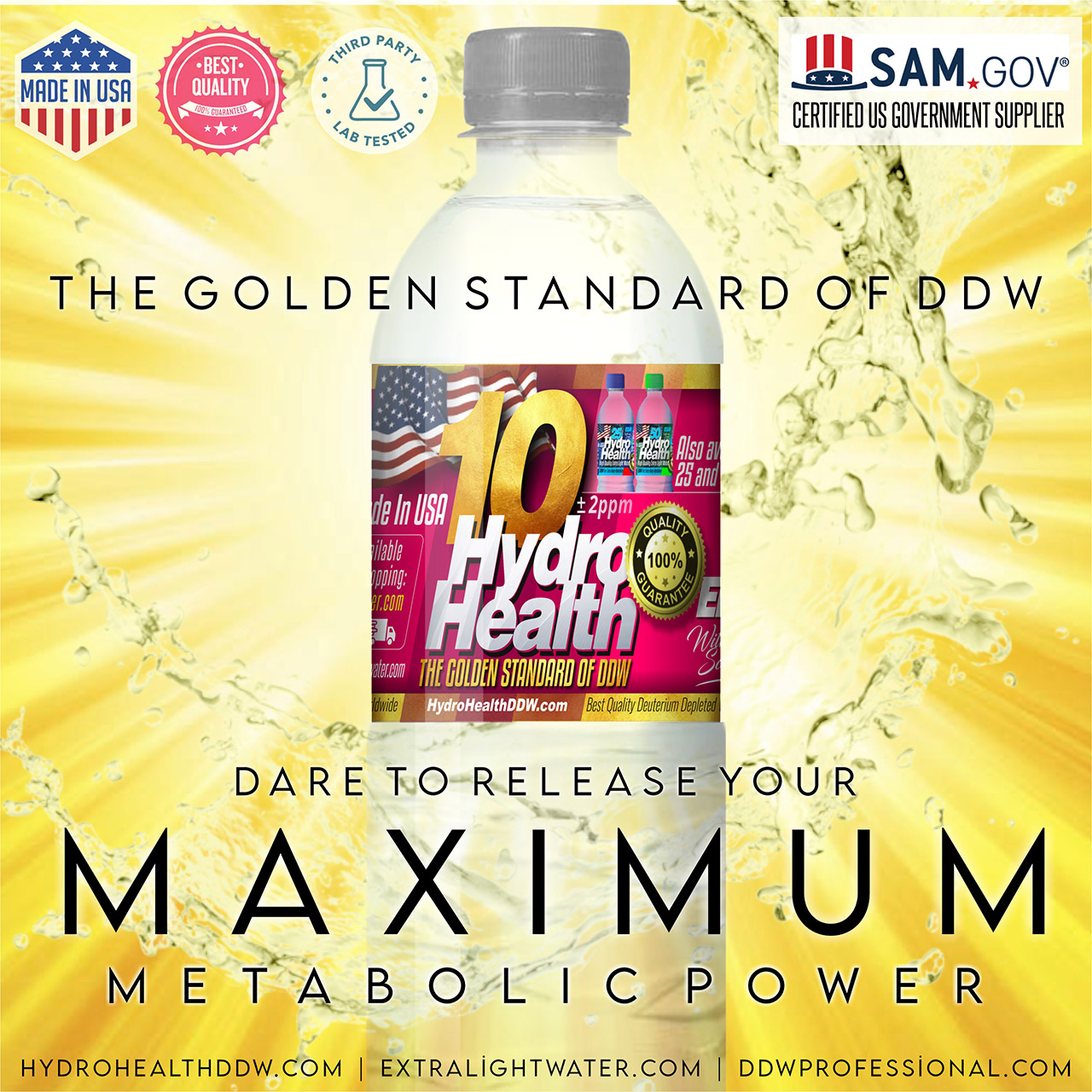
Ready to make the switch? HydroHealth DDW is the ideal choice—USA-made, SAM.gov certified, regularly tested, and microbiologically pure. With options at 10, 25, or 50 ppm, start with 50 ppm if new, then lower for max benefits. Drink 1.5-2 liters daily: morning sip for energy, midday with meals, evening for repair. At $50-100 monthly, it’s an easy, safe investment. Consult your doctor, but for many, this routine brings noticeable improvements in weeks. Embrace DDW for a stronger, healthier you!