
Modern health is no longer just about reacting when something goes wrong—it is increasingly about awareness, prevention, and the daily decisions that quietly shape long-term well-being. In that shift, deuterium-depleted water enters the conversation not as miracle-thinking, but as a thoughtful extension of a healthy mindset rooted in conscious living.
There was a time when people drank whatever was in front of them and asked no questions. Water was water, food was food, and habit was habit. We consumed, moved on, and rarely stopped to consider what quietly shaped our energy, resilience, recovery, or long-term health. That time is fading.
Today, we read labels. We question ingredients. We care where our food comes from, how we sleep, how we recover, how stress affects the body, and what daily habits slowly build—or weaken—our health. That is not fear, and it is not obsession. It is maturity. It is a healthy mindset.
A healthy mindset is not paranoia, perfectionism, or the pursuit of miracle products. At its core, it is the shift from passive consumption to conscious participation. For decades, health was mostly reactive: people acted after symptoms appeared, after pain arrived, after energy dropped. But modern wellness has introduced something stronger—preventive awareness. People with a healthy mindset ask better questions before problems become obvious. What am I eating every day? How well do I sleep? What affects my energy? What supports recovery? What hidden stressors may shape long-term health?
That shift matters because health is rarely built by one dramatic decision. More often, it is shaped by repeated small choices: the food we choose, the movement we maintain, the sleep we protect, the stress we regulate, the recovery we prioritize, and the hydration we trust.
That is why water is no longer seen only as a quantity issue. For years, the question was simple: Did you drink enough water? Today, many people ask something deeper: What kind of water am I putting into my body every single day?
That is not extremism.
It is awareness.
Water supports nearly every biological process in the body, from hydration and metabolism to cellular activity, circulation, and energy production. Something so simple can also be foundational. In this growing culture of intentional wellness, deuterium-depleted water (DDW) enters the conversation not as a miracle, but as a reasonable extension of a modern health mindset.
Deuterium is a naturally occurring heavier form of hydrogen found in ordinary water. Researchers continue to study how deuterium levels may interact with metabolism, mitochondrial efficiency, and broader cellular processes. While DDW remains part of an evolving scientific and wellness discussion—not a universal medical standard—it reflects a larger truth: progress in health often begins with attention.
That is why many people no longer ask, Why would I try something like this? Instead, they ask a more practical question: If I already care about cleaner food, smarter hydration, better sleep, lower stress, recovery, and long-term wellness, why wouldn’t I at least understand it?
This is where DDW becomes meaningful—not because it promises magic, replaces medicine, or guarantees outcomes, but because it represents intention.
A healthy mindset also understands uncertainty. Science evolves, and not every wellness habit begins with universal consensus. Few preventive choices arrive with absolute certainty. But many thoughtful people live by a practical principle: if something is low-risk, aligned with emerging science, and fits within a broader wellness philosophy, it may be worth exploring responsibly.
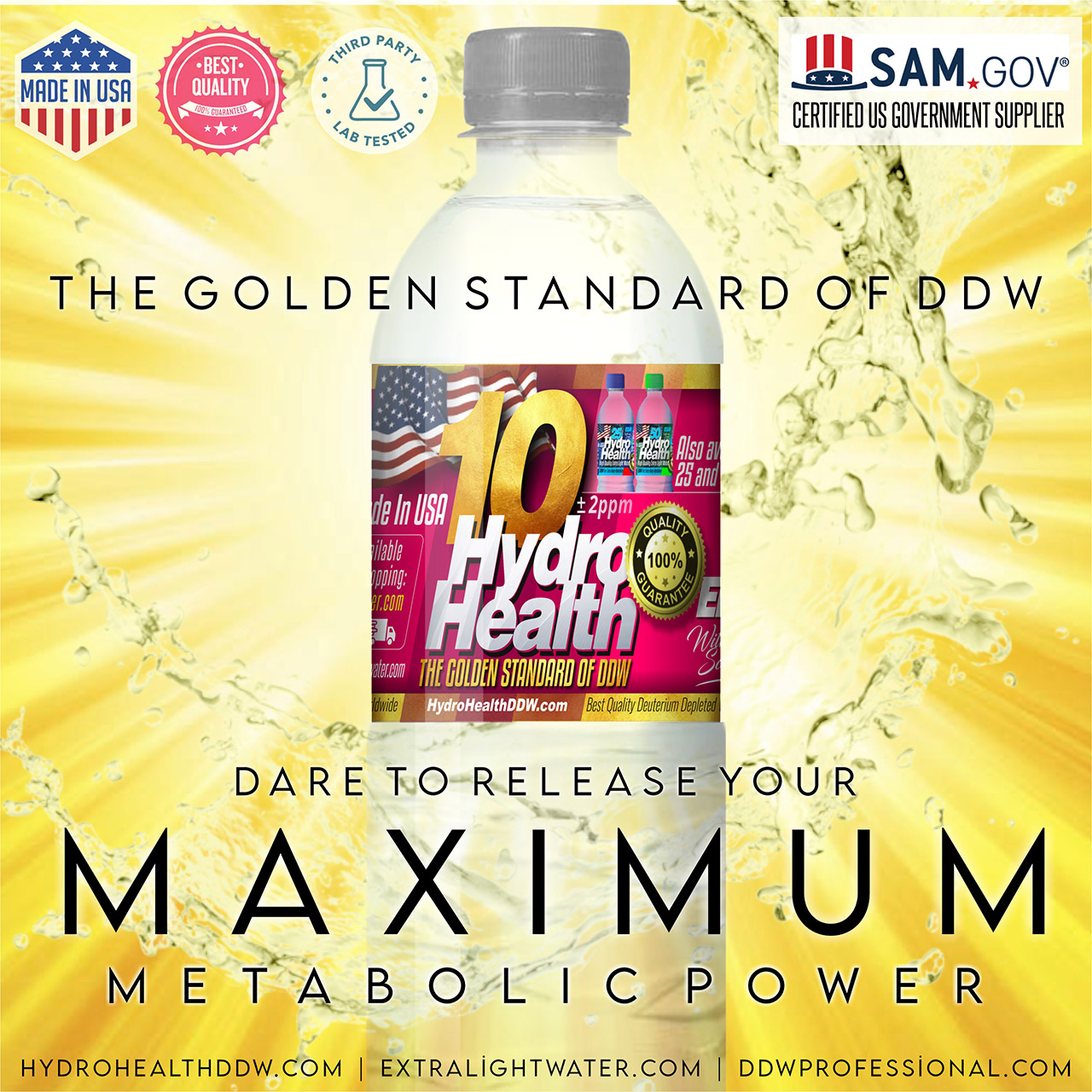
This is where products like HydroHealth DDW can become part of a practical routine—not as a cure, but as a deliberate hydration choice for people who value intentional living and thoughtful health habits.
The deeper value may not lie in dramatic promises. It may lie in something stronger: conscious participation in your own health. Because the new norm no longer belongs to passive living. It belongs to awareness, better questions, prevention, informed choices, and daily discipline.
You may not control everything. But you can improve your inputs. You can reduce neglect. You can choose intention over autopilot. That is the essence of a healthy mindset.