

The 2026 Naturopathic Oncology Conference organized by the Oncology Association of Naturopathic Physicians (OncANP) in San Diego marked an important milestone for integrative cancer medicine. Celebrating two decades of professional collaboration, the meeting gathered clinicians, researchers, and pioneers working at the intersection of conventional oncology and naturopathic medicine.
Unlike early alternative medicine meetings, the modern ONCANP conference represents a mature clinical specialty. Naturopathic oncology now operates within multidisciplinary cancer care, emphasizing supportive therapies, metabolic optimization, environmental medicine, and patient-centered treatment strategies.
This article reviews the conference through its most important element — the speakers, whose work collectively defines the current and future direction of naturopathic oncology.
Naturopathic Oncology: From Complementary Care to Systems Medicine
Naturopathic oncology has evolved from adjunct symptom management into a comprehensive medical philosophy grounded in systems biology. The field does not attempt to replace surgery, chemotherapy, or radiation. Instead, it focuses on improving patient resilience, treatment tolerance, immune function, and long-term recovery.
Three core ideas shaped the 2026 conference:
Integration.
Naturopathic physicians increasingly collaborate with oncologists, supporting patients before, during, and after conventional treatment.
Personalization.
Cancer is viewed as a disorder influenced not only by genetics but also metabolism, environment, microbiome health, stress physiology, and lifestyle factors.
Biological Terrain.
Speakers emphasized restoring the internal environment in which cancer develops — an approach increasingly aligned with emerging research into mitochondrial metabolism and cellular energetics.
The hematologic cancer focus of this year’s conference highlighted how integrative strategies may influence disease progression, survivorship, and quality of life in complex malignancies.
The ONCANP 2026 Speakers
Leaders Defining Modern Naturopathic Oncology
Below is an overview of every featured speaker, including professional qualifications and their core contribution to the field.
Lise Alschuler, ND, FABNO — Naturopathic Oncologist & Educator
- Board-certified Fellow of the American Board of Naturopathic Oncology
- International leader in integrative cancer research and education
- Presented key updates from newly published naturopathic oncology research
Tina Kaczor, ND, FABNO — Naturopathic Oncologist & Clinical Scholar
- Board-certified naturopathic oncologist and academic editor
- Specialist in evidence-based botanical and integrative cancer care
- Co-presented research synthesis translating science into clinical practice
Dan Lander, ND, FABNO — Naturopathic Oncologist
- Expert in chronic lymphocytic leukemia and multiple myeloma care
- Focused on watchful-waiting strategies and disease-progression modulation
- Demonstrated naturopathic roles during early-stage hematologic cancers
Lindsay Adrian, ND, FABNO — Naturopathic Oncology Educator
- Board-certified naturopathic oncologist
- Clinical educator introducing core principles of hematologic oncology
- Dedicated to training the next generation of integrative cancer clinicians
Akbar Khan, MD — Integrative Medical Oncologist
- Medical doctor specializing in metabolic and differentiation therapies
- Pioneer in non-conventional leukemia and lymphoma treatment strategies
- Explored cancer as a metabolic and cellular regulation disorder
Davis Lamson, MS, ND — Pioneer of Naturopathic Oncology
- One of the founders of modern naturopathic oncology practice
- Longstanding educator and clinical innovator
- Presented expanded perspectives on additional cancer treatment approaches
Dan Rubin, ND, FABNO — Pediatric Naturopathic Oncologist
- Specialist in pediatric hematologic cancers
- Advocate for safety standards in integrative oncology
- Focused on complex childhood cancer case management
Sheba Roy, ND, FABNO — Naturopathic Oncologist & Communication Specialist
- Board-certified oncology physician
- Expert in patient communication and difficult clinical conversations
- Addressed emotional intelligence and ethics in cancer care
Lyn Patrick, ND — Environmental Medicine Specialist
- Leader in environmental toxicity and chronic disease research
- Investigates links between pollutants and carcinogenesis
- Highlighted prevention through environmental and lifestyle medicine
Jen Green, ND, FABNO — Integrative Oncology Clinician
- Board-certified naturopathic oncologist
- Presented integrative management of head and neck cancers
- Shared insights as both physician and cancer patient
Michael McCulloch, LAc, MPH, PhD — Research Scientist & Acupuncturist
- Physician-scientist with doctoral training in public health research
- Specialist in genomically individualized natural compounds
- Bridged precision medicine with traditional therapeutic systems
Amy Rothenberg, ND — Naturopathic Physician & Clinical Author
- Experienced integrative clinician and educator
- Developed supportive care models for stem-cell transplant recipients
- Emphasized practical survivorship tools and patient empowerment
Collectively, the speaker lineup illustrated the breadth of naturopathic oncology: clinical care, laboratory science, environmental health, metabolic therapy, and humanistic medicine all converging into a unified oncology framework.
HydroHealth DDW and the Mitochondrial Direction of Oncology
A striking undercurrent throughout the ONCANP conference was the growing recognition that mitochondrial function lies at the center of cancer biology. Many presentations indirectly pointed toward metabolic regulation as a critical therapeutic frontier.
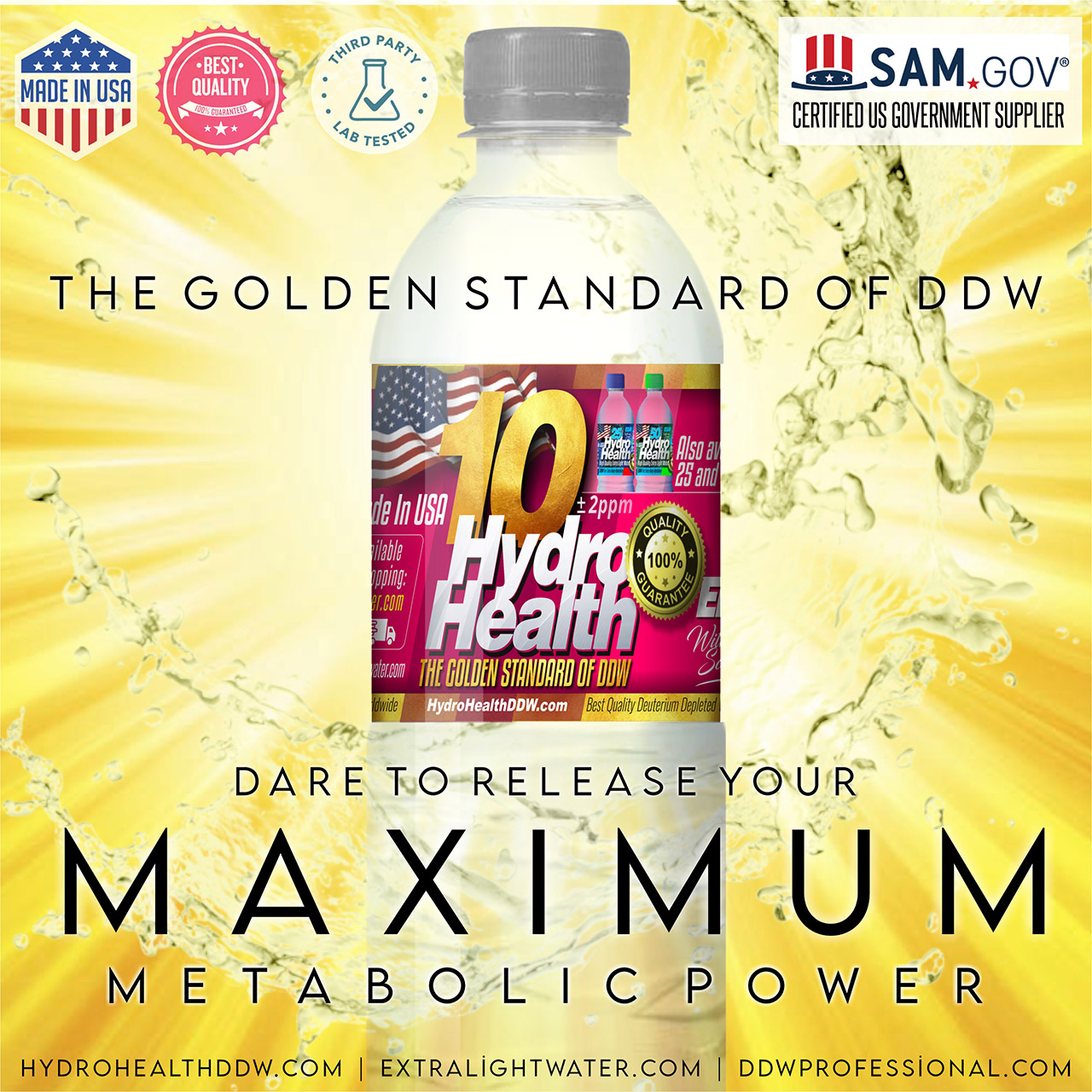
Within this emerging paradigm, HydroHealth DDW (Deuterium-Depleted Water) represents a technology aligned with the naturopathic oncology quest to optimize cellular terrain.
Why Deuterium Matters
Natural drinking water contains about 150 ppm of deuterium, a heavier isotope of hydrogen. Research suggests that excess deuterium can interfere with mitochondrial enzyme systems responsible for ATP production and cellular energy balance.
- Lowering intracellular deuterium levels may:
- improve mitochondrial efficiency
- regulate oxidative stress pathways
- influence cancer-related gene expression
- support apoptosis and reduce abnormal cell proliferation
Laboratory studies show that deuterium-depleted water can reduce reactive oxygen species damage and protect cellular function under stress conditions.
These mechanisms closely mirror themes emphasized by ONCANP speakers — metabolism, resilience, and restoration of biological regulation.
HydroHealth DDW: Benefits for Integrative Oncology
HydroHealth DDW is positioned as a mitochondrial support intervention rather than a standalone cancer treatment. Within naturopathic oncology, its proposed benefits include:
- enhancement of ATP energy production
- improved metabolic flexibility
- reduction of fatigue and treatment-related exhaustion
- support of detoxification and recovery processes
- optimization of internal cellular environment
Reducing body-fluid deuterium levels gradually may help restore physiologic equilibrium toward approximately 118 ppm — a level associated with efficient mitochondrial metabolic water production.
Product Range and Clinical Flexibility
HydroHealth DDW offers multiple depletion levels designed for personalized protocols:
10–12 ppm — deep therapeutic depletion
25 ppm — active metabolic support
50 ppm — maintenance and optimization phases
This graduated approach parallels naturopathic oncology itself: individualized, adaptive, and responsive to patient condition.
Quality and Availability
High-grade deuterium depletion requires advanced isotopic separation technology and rigorous laboratory verification. HydroHealth DDW emphasizes:
- controlled manufacturing standards
- precise isotopic measurement
- consistent purity across production batches
- growing international distribution availability
Such quality assurance is essential when therapeutic impact depends on exact molecular composition.
Final Perspective — A Mitochondrial Era in Cancer Care
The ONCANP 2026 conference demonstrated that naturopathic oncology is entering a new phase. The field is moving beyond individual supplements or isolated therapies toward interventions that influence cellular energy itself.
Across lectures on metabolic therapy, environmental medicine, genomic personalization, and survivorship, one concept repeatedly emerged: restoring mitochondrial function may be central to improving cancer outcomes.
HydroHealth DDW embodies this shift.
By targeting the foundational level of cellular metabolism — water chemistry and mitochondrial efficiency — it represents a practical extension of the naturopathic oncology philosophy:
- strengthen the host while treating disease,
- optimize biological terrain alongside medical therapy,
- support resilience, recovery, and long-term vitality.