

Let’s talk about something super cool happening inside your cells that most people don’t know about. You know mitochondria? Those little power plants in every cell that crank out energy to keep you going?
Well, they do more than just produce energy, and they love a special kind of water called deuterium-depleted water (DDW) to work their magic even better.
One of their lesser-known jobs is helping make heme, the iron-packed core of hemoglobin – the stuff in your red blood cells that grabs oxygen from your lungs and delivers it all over your body.
Without healthy mitochondria pitching in, your blood couldn’t do its job right, and that could lead to some real health hiccups.
DDW, which is lighter water with less heavy hydrogen, gives your mitochondria a boost to stay in top shape.
Let’s break this down in simple terms, like we’re chatting over coffee.
First, picture this: heme is basically the “magic ingredient” that makes hemoglobin red and sticky for oxygen. The process to make it starts in your mitochondria with a team of enzymes – special proteins that act like assembly line workers. One key player is ferrochelatase, which pops an iron atom into the heme structure right on the mitochondria’s inner wall. This whole setup is crucial because without enough heme, your body can’t produce healthy red blood cells. That means less oxygen getting to your muscles, brain, and everywhere else, leaving you feeling wiped out or worse.
If things go wrong with mitochondrial heme production, it can cause problems like anemia – where you’re short on red blood cells and feel constantly tired – or porphyrias, which are rarer conditions that build up toxic substances, leading to belly pain, skin issues, or even nerve troubles.
It’s like a factory glitch that backs up the whole system. And since mitochondria are inherited mostly from your mom, some of these issues can run in families. But here’s the good news: keeping your mitochondria happy is key to avoiding these woes, and that’s where everyday habits – like what you drink – come in.
Now, let’s dive deeper into deuterium-depleted water. Regular water has a tiny bit of deuterium, a heavier version of hydrogen (about 150 parts per million). DDW is just water with most of that heavy stuff filtered out, making it “lighter.” Why does this matter? Well, high deuterium can mess with your mitochondria’s inner workings, like gumming up the tiny motors in their energy chain (called the electron transport chain).
This slows down ATP production – that’s the energy currency your cells use – and cranks up harmful stuff like reactive oxygen species (ROS), which are like little firecrackers causing cell damage.
But switch to DDW, and it’s like giving your mitochondria a tune-up. Studies show it reduces that oxidative stress, helps them churn out energy more efficiently, and even protects against cell death.
For heme synthesis, which relies on smooth mitochondrial operations, this means better enzyme action and fewer glitches. Your cells naturally prefer low-deuterium water inside mitochondria – it’s about 60-70% depleted already – so DDW just helps match that ideal setup.
People sipping DDW often report more pep, better metabolism, and even support for chronic issues, because healthier mitochondria mean a happier, more energetic you.
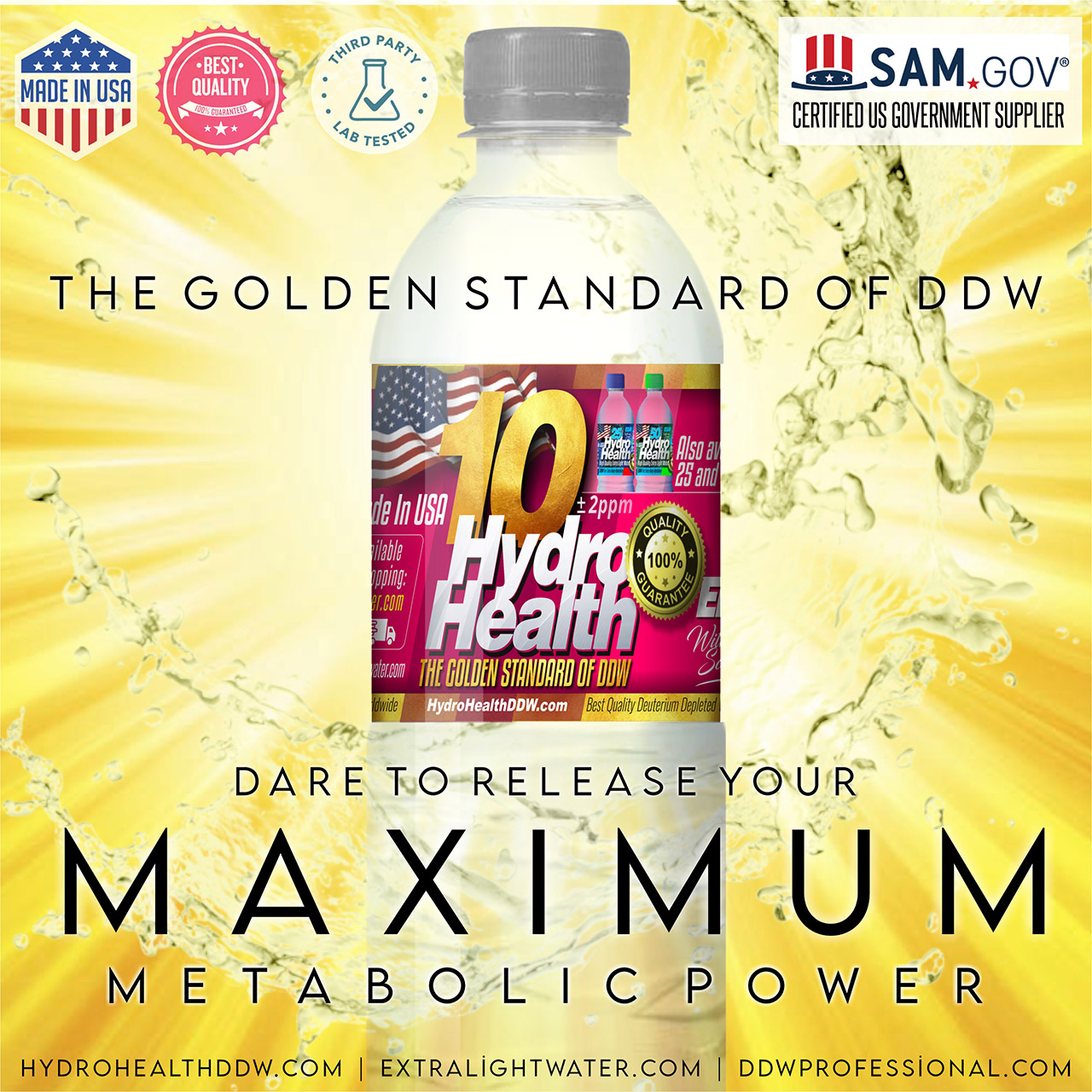
Incorporating DDW isn’t rocket science – you can find it in bottles of HydroHealth DDW or make small swaps in your routine. Pair it with iron-rich foods like spinach or lean meat to supercharge heme production. Exercise helps too, as it revs up those mitochondrial factories.